My research is based on the conviction that we learn something new about deviance, drugs, and power when we focus on the microprocesses of how they unfold in local contexts, influenced by broader economic and political transformation.
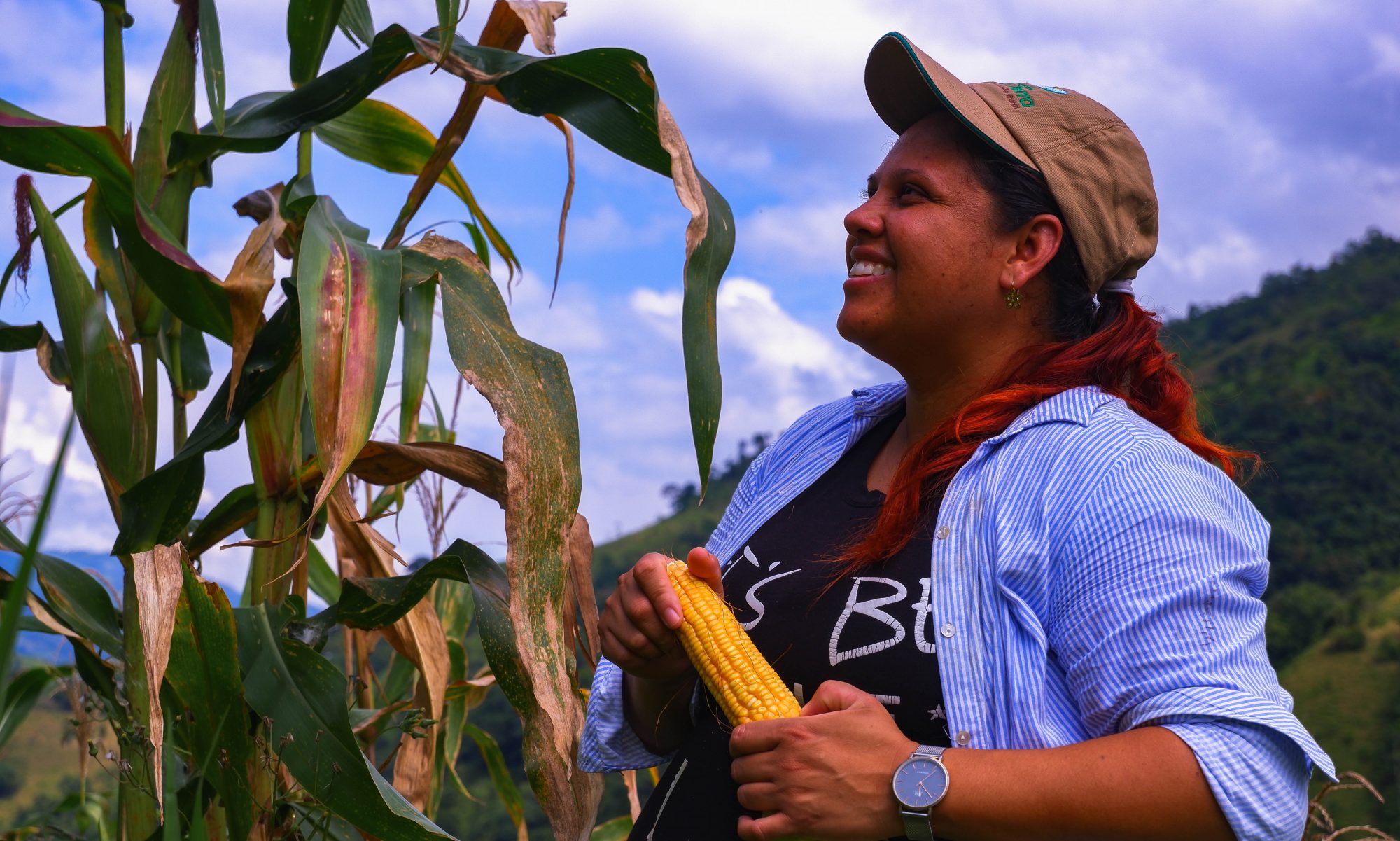
My first book Governing the Excluded: Rural Livelihoods Beyond Coca in Colombia’s Peace Laboratory will be released by the University of Chicago Press in January 2026 (with a Spanish translation to follow from the Universidad del Rosario Press). It follows the campesinos of a rural Colombian village critical to the country’s landmark peace agreement as they experience an incomplete transition between violence and peace, armed group and state authority, and coca (the raw material for cocaine) and legal agriculture. I show that exclusion from traditional legal global markets is the major element driving changing state-society relations–something we can see by looking at their choices, in the face of significant structural constraints, to turn to the state or an armed guerrilla group (or sometimes both, simultaneously) for help with their livelihood strategies. The chances for peace, I argue, rest on the state’s ability to monopolize the solution of communities’ pressing everyday problems.
A second project, High Stakes: Cannabis Crime, Capitalism, and Politics, uses the stories of those who grow, sell, legislate, and police cannabis to describe how the politics and economics of cannabis have reconfigured through the US’s ongoing experiment with legalization. While marijuana is now medically or recreationally legal in 39 states, illegal sales far outpace the legal market, and industry participants fear the development of “big weed”—massive firms that will exclude smaller enterprises and particularly the communities of color that have long borne the brunt of marijuana criminalization. Going back decades to examine the roots and consequences of cannabis prohibition, it begins by describing the political struggles—wrapped up in broader cultural shifts, lobbying by both small- and large-scale cannabis businesses, and struggles around race, capitalism, and mass incarceration —that lead to different laws and enforcement practices. Then it shows how distinct forms of legal and illegal cannabis economies emerge in response to these varied approaches. This interplay between political and economic struggle determines a variety of outcomes: who can profitably participate in cannabis economies, whether legal product can displace the black market, and to what extent American weed will be tainted both physically (by heavy metals and other toxins) and morally (by violence and other forms of criminality).
A final project, Campaigning for the Corrupt, links different levels of Colombian politics to explore how corrupt practices, inequality, and power are configured, reproduced, and potentially challenged through everyday political practices. It takes off from a puzzle: complaints of corruption are ubiquitous in Colombian politics and yet people continue electing politicians they know are corrupt. I show that politicians preserve their power (and corruption) through developing relationships with local political teams around the exchange of sorely needed national-level resources for electoral support. These dynamics establish what I call a “language of election,” in which politicians are evaluated exclusively on their ability to channel resources for road and home improvements to the village. I use an analysis of the pitfalls faced by state officials from the presidential administration of Gustavo Petro (since 2022, Colombia’s first left-wing president), to show how these dynamics restrain the potential for meaningful transformation.

 Alex Diamond